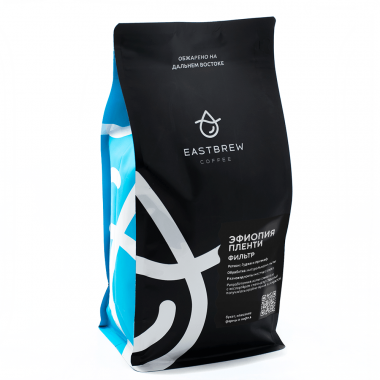
Самый вкусный эспрессо в жизни!
Самый вкусный эспрессо в жизни! Официально. Узнали, что этот кофе мы пили в новой кофейне на Лубянке. Он был такой динамичный, такой многогранный. Восторг!



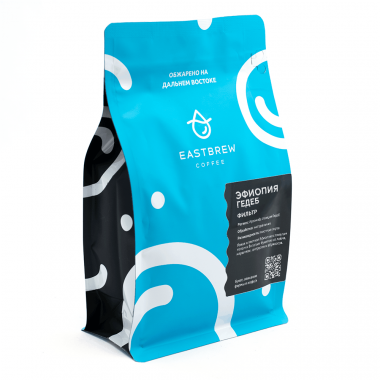
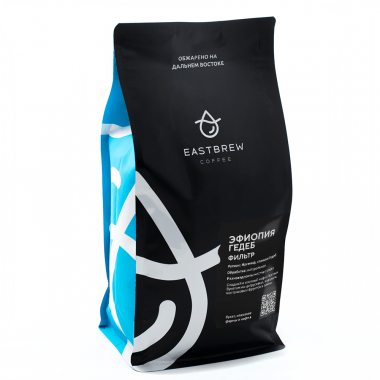
A unique, vibrant Ethiopia, which we had a hand in finding and delivering to Russia.
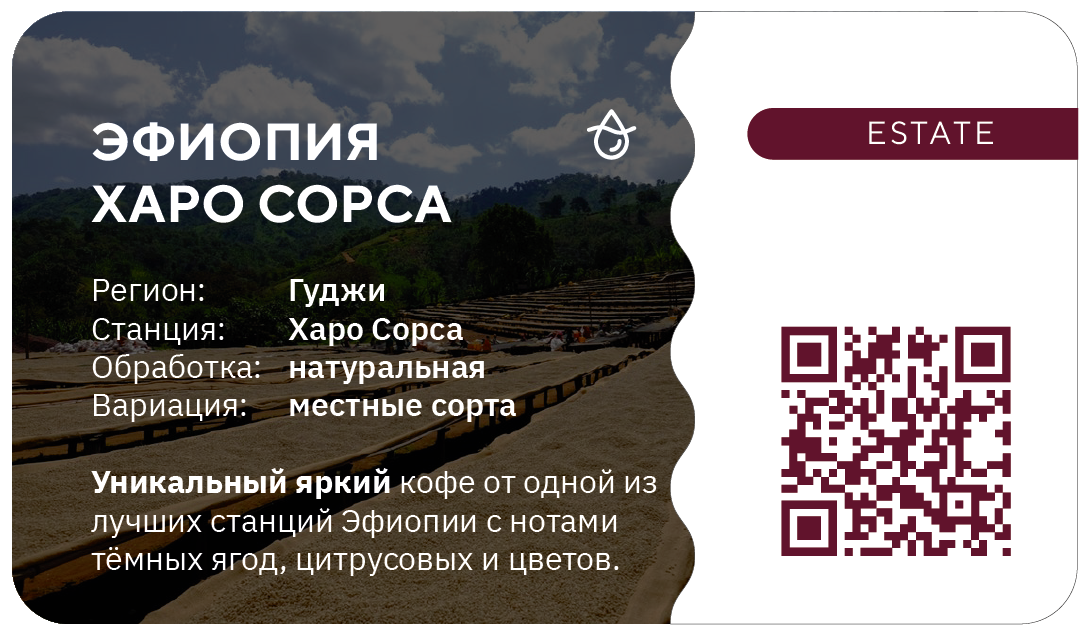
We are happy to say that we had a hand in finding this coffee. We chose this lot of fresh harvest from the Guji region ourselves, paying attention to the Haro Sorsa station, its production culture and the excellent coffee that it creates. And that's why this particular coffee ended up in Russia in the summer of 2026.
Taste profile: a sweet, fresh and very bright cup with an excellent body and a bouquet of citrus fruits, flowers and dark berries.
The Haro Sorsa station was built in 2011 by a local manufacturer named Eyasu, and later acquired by Abebe Mulugeta. Today, 215 farmers supply coffee berries to the station. In total, they cultivate about 405 hectares of coffee plantations located at an altitude of 2,200 to 2,400 meters above sea level. Such exceptional heights create ideal conditions for growing berries with a high concentration of sugars.
Farmers manually pick only fully ripe berries and deliver them to the station. After acceptance, the berries are manually sorted, depulped and fermented for 48 hours. At the end of fermentation, the enzyme is thoroughly washed and additionally soaked in clean water.
After that, the coffee is distributed on African beds, where it is dried naturally in the sun for 15-20 days.
The Guji Zone is located within the state of Oromia in southern Ethiopia, about 500 km south of Addis Ababa. Coffee grows at an altitude of 1700 to 2100 meters above sea level, 1200-1600 mm of precipitation falls per year. The soils in the region are red-brown (ferruginous). Guji is significantly different from the neighboring coffee regions of Sidamo and Irgacheffe, and was previously considered a sub-region of Sidamo, but has established itself as a separate one. Guji coffee has gained a reputation and status due to its unique flavor profile.
Ethiopia is the seventh largest coffee producer in the world and produces more coffee than any other African nation. About 2,800 square kilometers of Ethiopia are covered with coffee tree plantations, most of which are produced by small landowners (farmers with less than 4 hectares of land). Half of the 275,000 tons of coffee produced annually in Ethiopia is consumed by Ethiopians themselves. The Ethiopian government processes all payments to smallholders and sets the price at which dry and washed processing stations pay for coffee from small farmers.
In terms of growing conditions, Ethiopian coffee can be divided into three groups: forest, garden and plantation. The forest category includes trees growing in forests in natural shade, mainly in the south-west of the country. Garden is the most common type of coffee cultivation, giving the main volume of production. The trees grow next to the farmer's house. There are fewer shade trees, and farmers artificially limit shade by pruning. Fertilizers are used quite often. The Plantation category is relatively rare. Coffee grows on large farms where basic farming methods are used: pruning, fertilizers, mulching, breeding. Therefore, single estate coffee from Ethiopia, that is, coffee from one farm, is relatively rare.
There are quite a few varieties of Arabica growing in Ethiopia, which are usually labeled as local varieties or Ethiopian heritage. As for the climate and landscape, there are mountains in the western part of the country, respectively, the climate is milder, the east is a plateau and more arid. Ethiopian coffee regions – Irgachiff, Sidamo, Limu, Jimma, Lekempti, Harrar. The Sidamo region is also a trademark officially registered by the Ethiopian Government in 2004 in order to promote coffee from the region. Coffee grows at an altitude of 1400 – 2200 meters above sea level. The harvest is harvested from October to January.
Packing options: 250 grams, 1 kilogram and in drip bags. We can grind coffee for any brewing method, just check the Grind checkbox and select the grind size for your brewing method.
Thanks to packing in a nitrogen environment, coffee retains its bouquet unchanged for up to 6 months in a closed pack. After opening, store the coffee beans in a dry place without direct sunlight and grind immediately before cooking. It is best in our zip-fastener pack or in a jar with a vacuum function. Remember: oxygen is the main enemy of coffee, especially if it is ground in advance. If you are going away for a long time, coffee can be frozen once in the freezer.
|
Оплата
Оплата наличными или картой при получении курьеру СДЭК или в отделении транспортной компании, а так же при получении в постаматах СДЭК. Возврат товара Если по каким-то причинам вас не устроила комплектация или характеристики товара, напишите нам в течение трёх дней с момента получения. Мы вернём вам средства на ваш банковский счёт в течение 5-30 рабочих дней (срок зависит от вашего банка) при условии возврата товара обратно за наш счёт. |
 |

|
Доставка
Работаем по всей России и за её пределами круглосуточно и без выходных. Отправляем заказы 3 раза в неделю из города Москва. Отправляем транспортными компаниями СДЭК, Деловые Линии и Яндекс до пункта выдачи, в постаматы или курьером. Бесплатная доставка на розничные заказы при покупке в интернет-магазине кофе, чая и фильтров на сумму от 3000 рублей. Условия рассчитываются в корзине: там мы подскажем вам, сколько нужно добрать до бесплатной доставки. Подробнее на странице Доставка и оплата. По всем вопросам пишите нам на почту sales@eastbrew.com или по формам обратной связи. |
 |


 Анна
Анна