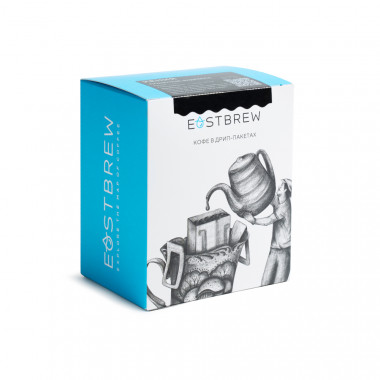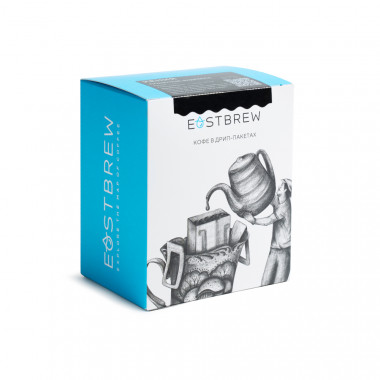
Coffee in drip bags is anaerobic Ethiopia, Gotiti station
A bright anaerobic tray soaked in an environment for 72 hours and dried on African beds.

Philosophy and taste profile
This lot was created at the Gotiti processing station in the Irgacheffe region. The berries are washed in clean water and placed in special tanks (large barrels with a lid and a non-return valve), where they are kept for 72 hours in the absence of oxygen. Next, the coffee is dried on African beds until the optimum moisture level of the beans is reached.
Taste profile: bright wine cup with a bouquet of red berries and tropical fruits.
About the region
Farming methods in the Irgacheffe region remain predominantly traditional. Farmers usually grow various food crops on their farms (in addition to coffee). This method is common among small farmers because it maximizes land use and provides food for their families. Most of the agricultural work is done manually by members of the farming family.
About processing station
The Banco Gotiti station is located in the Gedeb district, the Gedeo zone, in the southern part of the country. The station serves about 2,000 farms from the Banco Gotiti cooperative of the same name, established in 2012.
There are 89 African beds at the Gotiti station, each marked with a code that simplifies tracking and processing status.
The station staff also provides training to help farmers grow better quality coffee. The training focuses on the processes of picking and transporting coffee berries. At the station, staff manually sort the incoming batch to remove unripe, overripe or damaged berries.

About the country of growth
Ethiopia is the seventh largest coffee producer in the world and produces more coffee than any other African nation. About 2,800 square kilometers of Ethiopia are covered with coffee tree plantations, most of which are produced by small landowners (farmers with less than 4 hectares of land). Half of the 275,000 tons of coffee produced annually in Ethiopia is consumed by Ethiopians themselves. The Ethiopian government processes all payments to smallholders and sets the price at which dry and washed processing stations pay for coffee from small farmers.
In terms of growing conditions, Ethiopian coffee can be divided into three groups: forest, garden and plantation. The forest category includes trees growing in forests in natural shade, mainly in the south-west of the country. Garden is the most common type of coffee cultivation, giving the main volume of production. The trees grow next to the farmer's house. There are fewer shade trees, and farmers artificially limit shade by pruning. Fertilizers are used quite often. The Plantation category is relatively rare. Coffee grows on large farms where basic farming methods are used: pruning, fertilizers, mulching, breeding. Therefore, single estate coffee from Ethiopia, that is, coffee from one farm, is relatively rare.
There are quite a few varieties of Arabica growing in Ethiopia, which are usually labeled as local varieties or Ethiopian heritage. As for the climate and landscape, there are mountains in the western part of the country, respectively, the climate is milder, the east is a plateau and more arid. Ethiopian coffee regions – Irgachiff, Sidamo, Limu, Jimma, Lekempti, Harrar. The Sidamo region is also a trademark officially registered by the Ethiopian Government in 2004 in order to promote coffee from the region. Coffee grows at an altitude of 1400 – 2200 meters above sea level. The harvest is harvested from October to January.
About coffee in drip bags
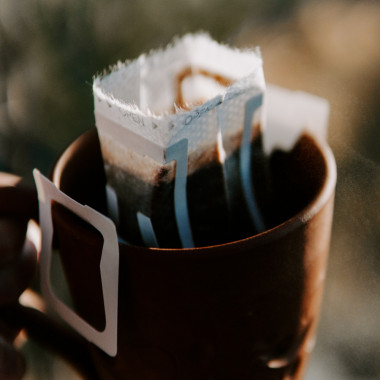
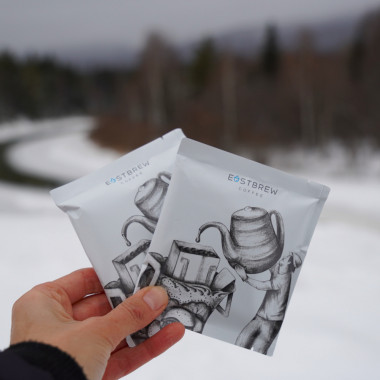
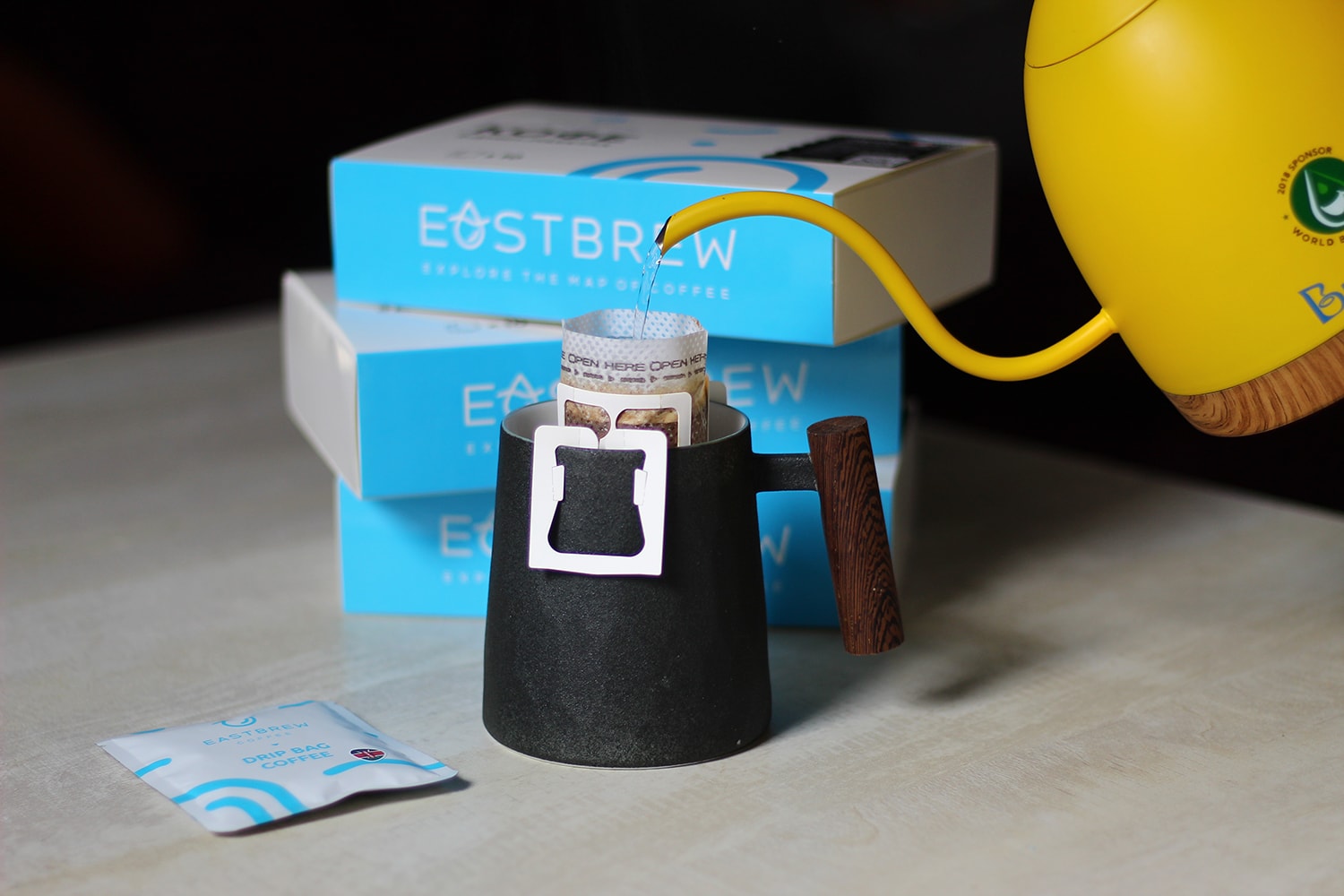
Coffee in drip bags is coffee that is always with you. It can be brewed in any conditions without tools and accessories at home, in the office and on a trip.
Ease of brewing, stability, repeatability of the result, convenience of storage - that's what makes drip bags an incredibly cool product. We've made it even better.: we do not skimp on raw materials (green coffee), we pack grain as fresh as possible roasted in a modified gas environment, we do not spare the amount of coffee per cup and carefully select the recipe and profile for each variety. Thanks to nitrogen, coffee retains its bouquet unchanged for up to 6 months, but it does not lose its basic qualities until 18 months. The most complete history of the drip pack you can read about coffee in our magazine.
Each bag contains 12 grams of coffee, which allows you to prepare 190-210 grams of the drink. Just put it on a high cup and pour in 92-96 °C water in a thin stream 3 times 70 grams until the water flows completely. You can find more detailed instructions in our article.
This is the best way to share the love of coffee with a friend and tell the whole family about good coffee. Tested on yourself.
Video about the country where coffee grows - Ethiopia
|
Оплата
Оплата наличными или картой при получении курьеру СДЭК или в отделении транспортной компании, а так же при получении в постаматах СДЭК. Возврат товара Если по каким-то причинам вас не устроила комплектация или характеристики товара, напишите нам в течение трёх дней с момента получения. Мы вернём вам средства на ваш банковский счёт в течение 5-30 рабочих дней (срок зависит от вашего банка) при условии возврата товара обратно за наш счёт. |
 |

|
Доставка
Работаем по всей России и за её пределами круглосуточно и без выходных. Отправляем заказы 3 раза в неделю из города Москва. Отправляем транспортными компаниями СДЭК, Деловые Линии и Яндекс до пункта выдачи, в постаматы или курьером. Бесплатная доставка на розничные заказы при покупке в интернет-магазине кофе, чая и фильтров на сумму от 3000 рублей. Условия рассчитываются в корзине: там мы подскажем вам, сколько нужно добрать до бесплатной доставки. Подробнее на странице Доставка и оплата. По всем вопросам пишите нам на почту sales@eastbrew.com или по формам обратной связи. |
 |